

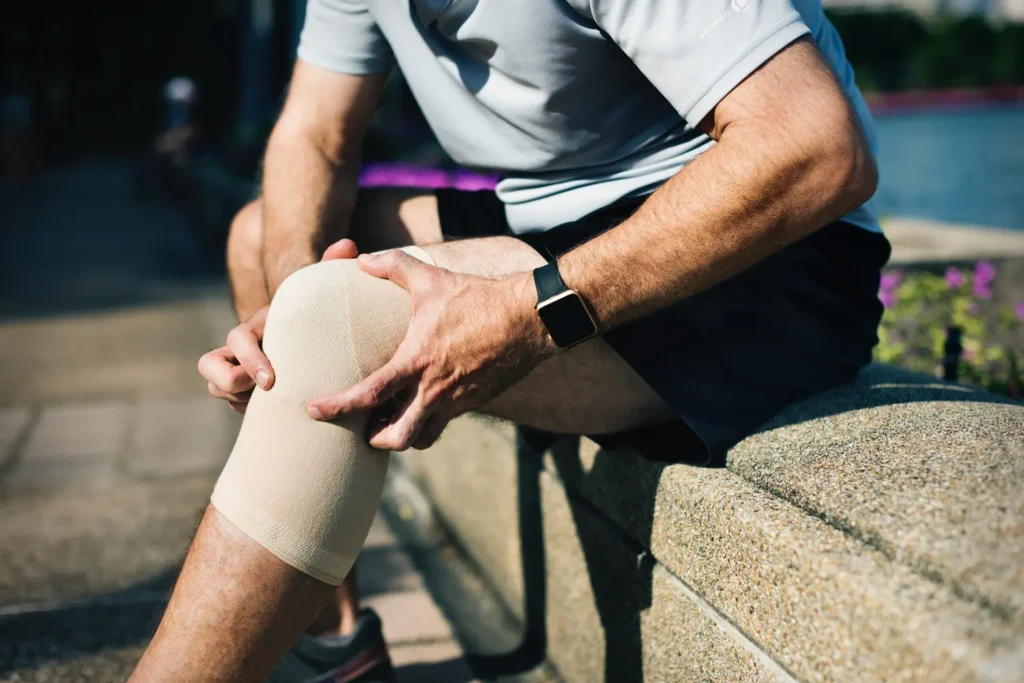
Total knee replacement recovery is an involved process that requires diligent participation on the part of the patient and the patient’s family. More and more recoveries are being handled at home, and if your plan is to go home without a hospital stay, you need to be prepared. Before the surgery, make sure the house is rearranged to be easily accessible while you are using a walker or cane because the early recovery process will require you to get around with an assistive device. This is a huge improvement over the lengthy hospital stay that used to be common, but it is still a big inconvenience if your furniture plan makes a cane difficult to use.
Aftercare for Your Wound and Surrounding Tissues
Swelling is at its most pronounced in the days and weeks following surgery, but moderate swelling of the joint and surrounding area is still common for up to six months. Elevation and ice packs are the best treatment at every stage, and you might also be prescribed anti-inflammatory medications during the early days. Along with treatment for inflamed tissue, patients need to plan to care for the wound by following instructions for appropriate hygiene and changing the wound’s dressing as directed by the doctor or surgical team.
Physical Activities Around the House
Patients going through total knee replacement recovery are generally referred to physical therapy, where a team can assess your progress and advise you about how to correct muscle imbalances as they emerge. That team will also provide you with advice about which activities to avoid and which ones you are strong enough to handle without risking re-injury. Before giving up the walker or cane, it’s important you work with these professionals to determine your optimum activity level.
It might seem like you have a lot of limitations at first, but by being active in your own recovery, you help yourself get back to all your daily activities more quickly. It just takes patience and diligence throughout the process.
This article is general information, not a diagnosis or treatment plan. Every injury is different; book a visit to talk about yours. If you have severe pain, a deformed joint, numbness or a wound, get urgent care or call 911.