
Concept

Website concept for review. Design notes explain each section.

New patients welcome · Athletes, active adults and families

Mental performance

Sports Psychology & Mental Performance Training

Injury recovery is physical and mental. Mental performance training helps athletes build confidence, improve focus and stay motivated through recovery and back into competition.
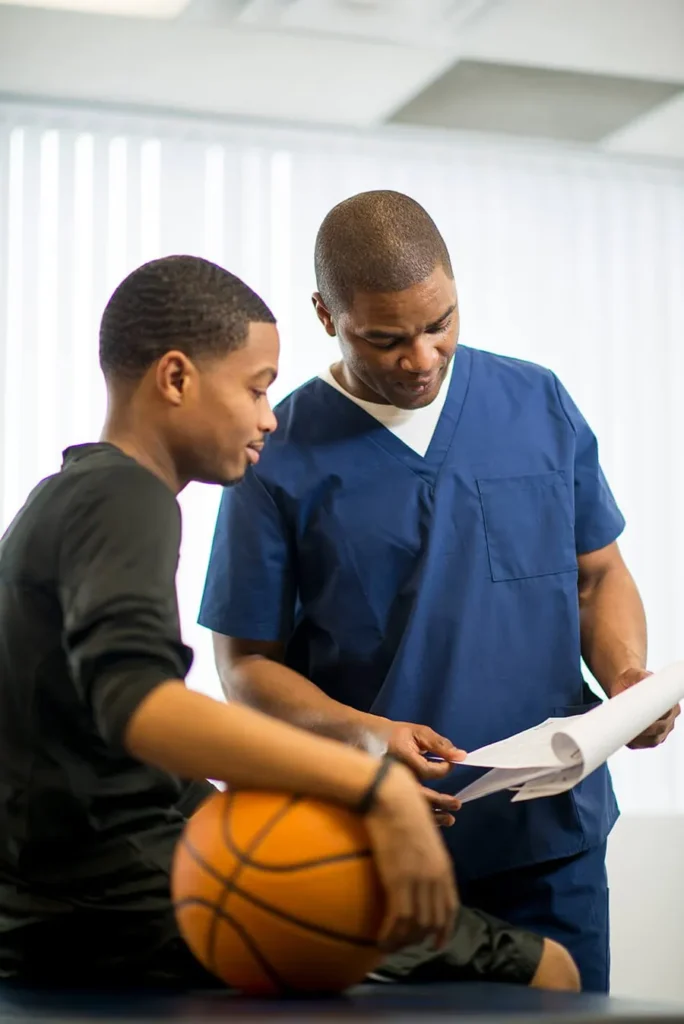
An athlete focusing before competition

Sports psychology

Complete sports medicine support

Working alongside our orthopedic specialists, sports medicine team and physical therapists, mental performance coaching supports athletes recovering from ACL injuries, knee pain, shoulder injuries and other sports injuries. The goal is simple: help you recover stronger and return to activity with confidence.

Schedule a consultation

Ask about mental performance training when you book, or call the office.

Book a consultation

Why sports psychology matters during injury recovery

Injuries affect more than the body. Many athletes feel fear of re-injury, frustration during rehabilitation and uncertainty about returning to play. Sports psychology and mental performance coaching can help athletes:

  • Rebuild confidence after orthopedic surgery or injury
  • Stay motivated during physical therapy and rehabilitation
  • Manage performance anxiety and competitive pressure
  • Improve focus and concentration in training and competition
  • Develop the mental resilience needed to return to sport safely

Mental performance training for athletes and active individuals

Just as athletes train their bodies, they can train the mental skills that shape performance. Working with a mental performance specialist can help you:

  • Improve focus and concentration during competition
  • Set goals and build performance strategies
  • Strengthen confidence and mental toughness
  • Learn visualization and imagery techniques
  • Manage pressure in games, tournaments and high-level competition
  • Keep a positive mindset during injury recovery
Dave Boyer, ATC, MS, CSCS, Clinical Director of Physical Therapy

Mental performance specialist

Meet Dave Boyer

Dave Boyer brings more than 30 years of experience in athletic training, rehabilitation and performance coaching. His work focuses on helping athletes improve physical performance and mental resilience, especially during injury recovery and return to play.

Dave specializes in:

  • Mental performance training for athletes
  • Confidence building after injury
  • Neuromuscular and performance training
  • Injury prevention strategies
  • Return-to-sport preparation

Mental performance support for sports injuries

Mental performance training can help athletes recovering from:

  • ACL injury and ACL reconstruction
  • Meniscus injury rehabilitation
  • Shoulder pain and rotator cuff surgery
  • Knee reconstruction and knee pain
  • Cartilage injuries
  • Returning to play after any sports injury

Answers to your questions

What is sports psychology and mental performance training?

Training that strengthens the mental skills behind recovery, performance and consistency: confidence, managing anxiety, focus and motivation. Paired with orthopedic care and physical therapy, it helps you return to activity with confidence.

How can sports psychology help with injury recovery?

It helps athletes overcome fear of re-injury, stay motivated through rehabilitation and rebuild confidence for a safe return, and gives them tools to manage stress, frustration and pressure while recovering.

Who can benefit from mental performance training?

Athletes of all levels, from middle school and high school students to college athletes and active adults, especially anyone recovering from injury, managing chronic pain or preparing to return to competition.

How long does it take to see results?

It varies with your needs, goals and injury. Some athletes notice better focus, confidence and motivation within a few sessions; others work on longer-term strategies. It works best alongside treatment and physical therapy.

What issues does sports psychology address for athletes?

Anxiety or pressure in competition, fear of re-injury, motivation and goal setting, confidence after surgery, and staying focused during rehabilitation.

What is the difference between sports psychology and therapy?

Mental performance training is goal-oriented and focused on performance, focus, confidence and resilience in sport. Traditional therapy addresses broader emotional or mental health concerns. If you need mental health care, talk with your primary care doctor about a referral.

Hurt? Let's find out why.

Book online in a few minutes, or call and we'll find the soonest visit.