Concept

Website concept for review. Design notes explain each section.

New patients welcome · Athletes, active adults and families

Sports medicine

Sports Medicine in Rochester Hills, Michigan

Sports medicine for athletes, active adults and families: diagnosis, treatment, surgery and physical therapy in one location, focused on recovery and performance.
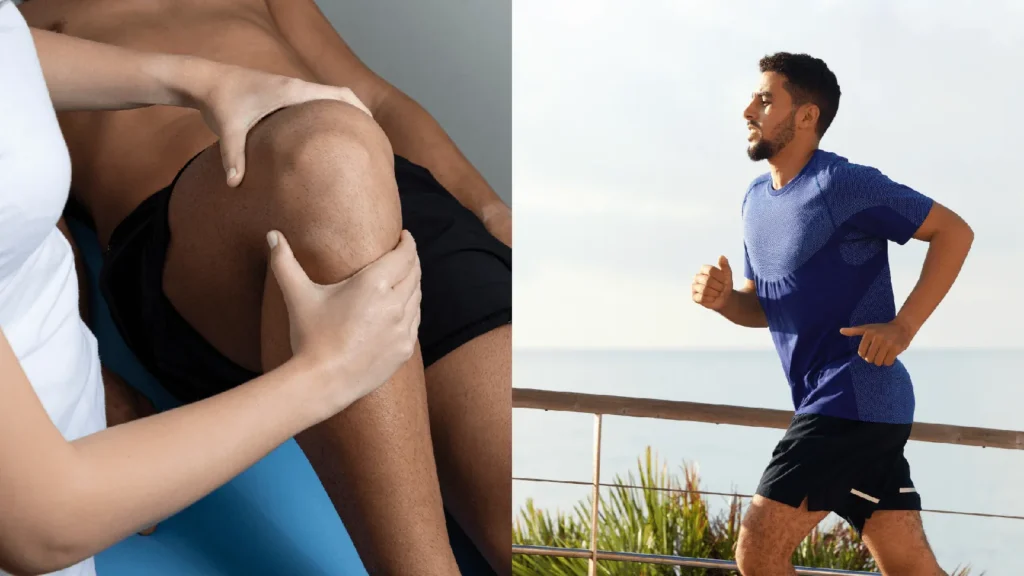
An athlete receiving sports medicine care

Sports medicine

Sports injury treatment backed by data and experience

Sports injuries are more common than many people realize. In the United States, more than 3.5 million children and teens are hurt playing sports each year, and sprains and strains are the most common injuries. Exercise and recreation cause hundreds of thousands more injuries across all age groups.

Our team treats ACL injuries, meniscus tears, shoulder and hip injuries and overuse conditions. Early diagnosis and proper treatment are critical to preventing long-term joint damage and returning to activity safely.

Who we care for

  • Middle school and high school athletes
  • College athletes
  • Active adults and weekend warriors
  • Families across Rochester Hills and Metro Detroit
Book an appointment

Overuse injuries

Overuse injuries build up over time from repetitive stress or poor movement patterns. They’re common in young athletes who play one sport year-round and in active adults, and they can lead to pain, reduced mobility and lower performance if not treated early. We find the cause and build a plan that supports recovery and prevents the next injury.

Patellofemoral pain syndrome

Patellofemoral pain syndrome, often called runner’s knee or jumper’s knee, causes pain around the kneecap. Walking, climbing stairs or kneeling can be uncomfortable. With the right mix of treatment and rehabilitation, most patients reduce pain and return to activity.

Fracture care

Fractures can stop an athlete in their tracks. Whether the break is minor or complex, proper care is essential for healing. Treatment may include immobilization, bracing or surgery depending on the injury, with the goal of healing correctly and returning to activity as safely and quickly as possible.

Common injury areas

Sports injuries can affect the knee, shoulder, hip, ankle, elbow and back. Some need surgery, but many can be treated with physical therapy, bracing and guided rehabilitation. Our goal is to restore movement, reduce pain and prevent future injury.

Preventing sports injuries and improving performance

Prevention is a key part of sports medicine. Many overuse injuries in young athletes come from repetitive stress and too little recovery time.

We help patients improve strength, flexibility and movement patterns to reduce injury risk and support long-term performance. Education, training adjustments and recovery planning all play a role.

Supporting long-term joint health

Sports injuries that aren’t treated properly can lead to chronic pain, reduced mobility and long-term joint damage. Our goal is to help you recover the right way the first time, combining orthopedic expertise, rehabilitation and performance-focused care.

Common questions about sports medicine

What is sports medicine?

Sports medicine treats and prevents injuries related to physical activity and athletics. It combines orthopedic care, rehabilitation and performance training to help patients recover and stay active, from student athletes to active adults.

What does a sports medicine doctor treat?

Injuries related to physical activity, including ACL injuries, meniscus tears, shoulder and hip injuries, fractures, overuse problems and joint pain, plus help with preventing injuries and returning to activity safely.

When should I see a sports medicine specialist?

If you have ongoing pain, limited movement, or an injury that isn’t improving with rest. Early evaluation can prevent further damage and speed up recovery.

Can sports medicine help without surgery?

Yes. Many sports injuries are treated with physical therapy, bracing, activity changes and rehabilitation. Surgery is recommended only when it’s likely to give you a better result.

How long does it take to recover from a sports injury?

It depends on the type and severity of the injury. Some improve in a few weeks; others take several months. A structured treatment and rehabilitation plan keeps recovery safe and on track.

What is the difference between sports medicine and orthopedics?

Orthopedics covers conditions of the bones, joints and muscles. Sports medicine focuses on injuries related to activity and performance. At Rochester Hills Orthopedics and Sports Medicine, both work together.

How can I prevent sports injuries?

Proper training, strength, flexibility and recovery. Warm up before activity, use good technique and allow time for rest. Our team can evaluate how you move and build a plan to keep you playing.

Can I return to sports after an injury?

Most patients can, with the right treatment and rehabilitation. Timing depends on the injury, your progress and your strength; we make sure you’re physically and mentally ready.

Hurt? Let's find out why.

Book online in a few minutes, or call and we'll find the soonest visit.