Concept

Website concept for review. Design notes explain each section.

New patients welcome · Athletes, active adults and families

Shoulder

Shoulder Conditions & Procedures in Rochester Hills, Michigan

Shoulder treatment for athletes and active adults dealing with shoulder pain, injuries and limited motion, from the rotator cuff to joint replacement.
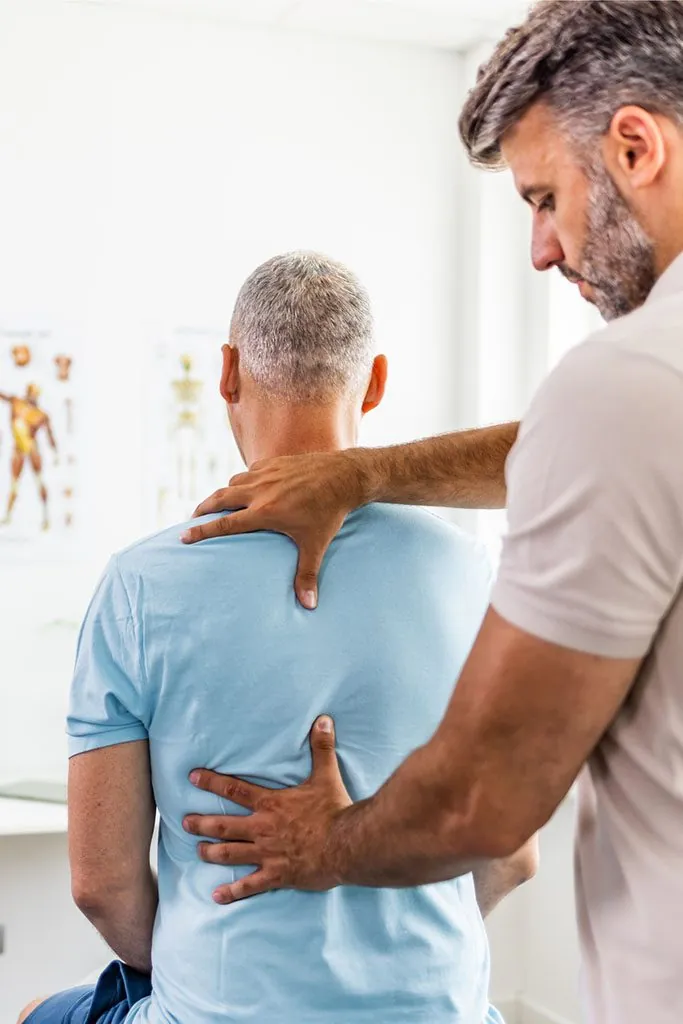
A patient holding a painful shoulder

Shoulder care

Common shoulder conditions we treat

Our team diagnoses and treats conditions affecting the shoulder joint, rotator cuff and surrounding structures. Early diagnosis and treatment are important to reduce pain, restore mobility and help you return to activity safely.

Shoulder treatments at RHO

  • Physical therapy
  • Injections, including PRP
  • Shoulder arthroscopy
  • Rotator cuff repair
  • Arthroscopic stabilization and open Latarjet
  • Total, reverse and revision shoulder replacement
Book an appointment

Rotator cuff tears

Rotator cuff tears weaken the shoulder and are a common cause of pain and reduced function. Lifting your arm, getting dressed or reaching overhead can become difficult. Pain and weakness are the most common symptoms.

Minor tears can often be treated without surgery, while larger tears may need repair depending on your activity level and goals. Without treatment, small tears can get worse over time.

Impingement & rotator cuff tendinitis

Shoulder impingement is a common cause of shoulder pain in active people. It happens when the tendon and bursa become irritated as the arm is raised, leading to inflammation, pain and limited movement. Early treatment can calm the irritation and restore normal shoulder function.

Labral tears & shoulder instability

Labral tears affect the cartilage rim that helps stabilize the shoulder. They can cause pain, weakness, reduced range of motion and a feeling that the shoulder may slip out of place. They can come from a fall or from repetitive overhead motion.

Treatment may include rehabilitation, anti-inflammatory care or arthroscopic surgery depending on severity. For complex instability, Dr. Ball performs arthroscopic stabilization and the open Latarjet procedure.

Shoulder replacement

For severe arthritis or advanced joint damage, shoulder replacement may be recommended. Newer techniques, including reverse shoulder replacement, have improved results for complex conditions, and advances in imaging and surgical planning have improved precision. Many procedures can be done as outpatient surgery so you recover at home.

Frozen shoulder

Frozen shoulder causes stiffness, pain and reduced range of motion. It can develop gradually and make simple movements difficult. Risk factors include diabetes, long periods of immobility and some medical conditions. Most cases improve with physical therapy and guided movement; advanced cases may need more treatment to restore mobility.

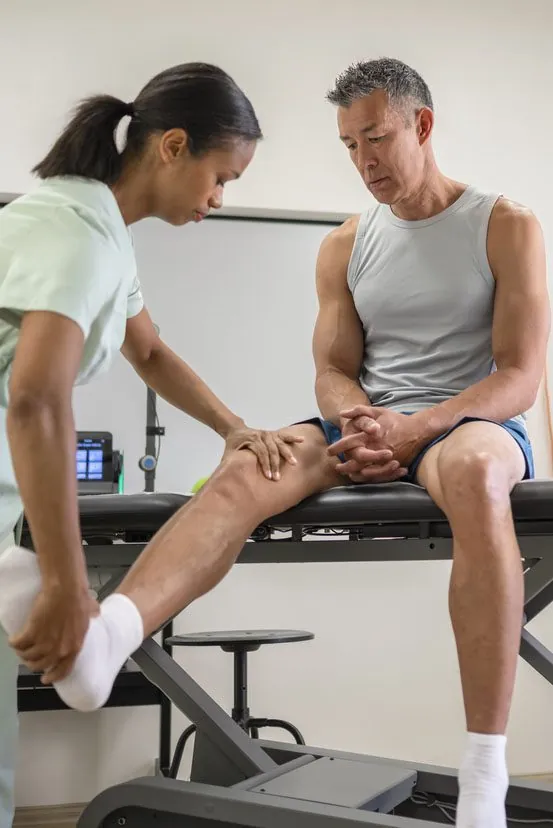
A physical therapist working with a patient

Recovery

Shoulder rehabilitation & recovery

Recovery from a shoulder injury or procedure focuses on restoring strength, stability and range of motion. Physical therapy is a key part of the process, helping you rebuild movement and return to activity safely.

Rehabilitation plans are tailored to the injury, the procedure and your performance goals, and our therapists follow the surgical protocols set by our surgeons, in the same building.

Care for athletes & active individuals

Shoulder injuries are common in athletes who throw, swim or lift overhead. These repeated movements stress the joint and can lead to overuse injuries if not treated properly.

Our team works with athletes at every level to diagnose shoulder injuries early, provide targeted treatment and support a safe return to sport, with a plan built around your performance goals.

Common questions about shoulder conditions & treatment

What causes shoulder pain?

Shoulder pain is often caused by rotator cuff injuries, labral tears, impingement, arthritis or overuse. Repetitive motion and sports increase the risk. A proper evaluation finds the cause and guides treatment.

When should I see a doctor for shoulder pain?

See a specialist if shoulder pain lasts more than a few weeks, limits movement or affects daily activity. Get seen soon if you can’t lift your arm after a fall, or if the shoulder slipped out of place.

Can shoulder injuries heal without surgery?

Many shoulder injuries can be treated with physical therapy, activity changes and other non-surgical care. If surgery is needed, it’s recommended based on the severity of the injury and your goals.

What is a rotator cuff tear?

A rotator cuff tear is damage to one or more of the tendons that support the shoulder. It can cause pain, weakness and limited movement. Treatment depends on the size of the tear and your activity level.

How long does it take to recover from shoulder surgery?

Recovery depends on the procedure and the injury. Some patients recover in a few months; others take longer to regain full strength and mobility. Following a structured rehabilitation plan is key.

Can I return to sports after a shoulder injury?

Most patients can return to sports after proper treatment and rehabilitation. The timeline depends on strength, mobility and the type of injury, and the plan is built around your goals.

How can I prevent shoulder injuries?

Strength and flexibility work, a proper warm-up, good technique and enough recovery time all help. Our team can evaluate how you move and build a plan to reduce injury risk.

Hurt? Let's find out why.

Book online in a few minutes, or call and we'll find the soonest visit.