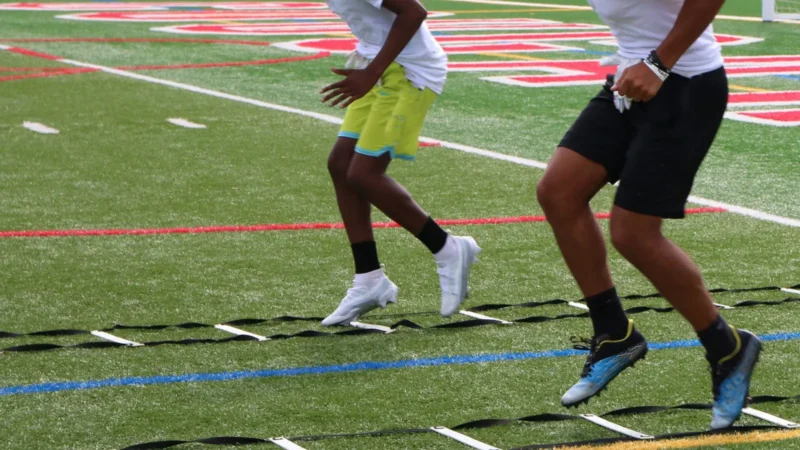

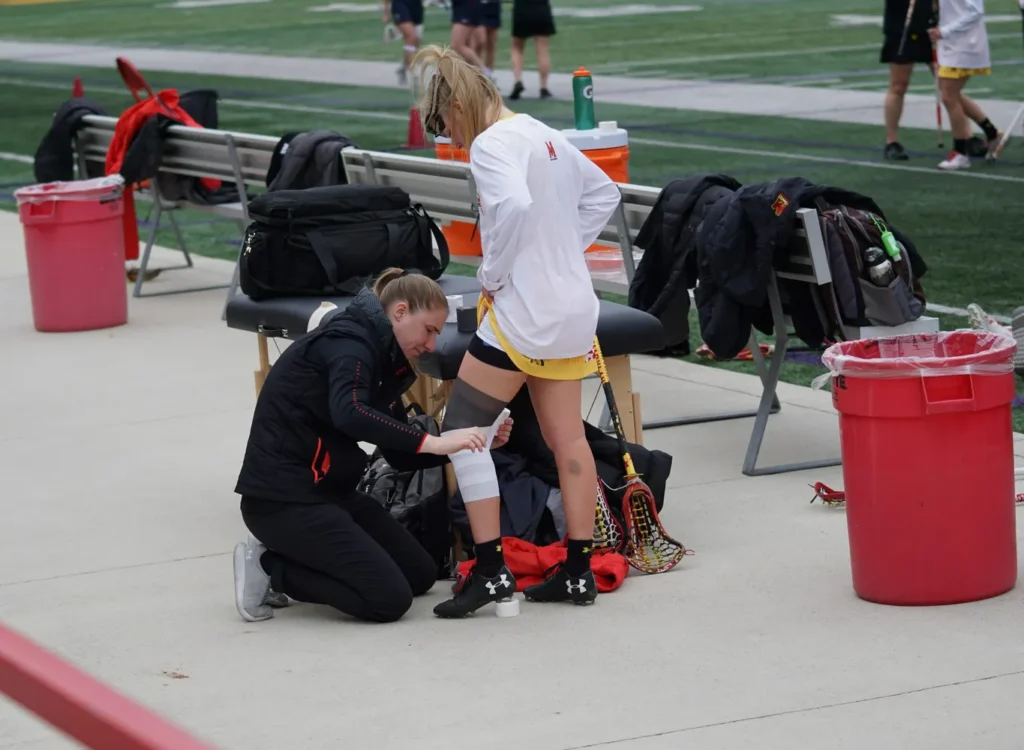
Lacrosse is a fast-paced, high-impact sport that demands agility, strength, and endurance. While the game offers numerous physical benefits, it also poses a risk for various injuries. Understanding these common injuries can help players, coaches, and parents take proactive steps toward prevention and effective treatment.
Knee Injuries: ACL and Meniscus Tears
The knee is particularly vulnerable in lacrosse due to sudden stops, pivots, and directional changes. Anterior Cruciate Ligament (ACL) tears are prevalent, especially among female athletes, owing to anatomical and hormonal factors. Meniscus tears, often resulting from twisting motions or direct contact, are also common.
Prevention Tips:
- Incorporate strength training focusing on the quadriceps and hamstrings.
- Practice proper landing techniques during jumps.
- Engage in balance and proprioception exercises to enhance joint stability.
Shoulder Injuries: Dislocations and Labral Tears
Lacrosse players frequently use their upper bodies for shooting, passing, and defending, making shoulders susceptible to injuries. Dislocations can occur from falls or collisions, while labral tears often result from repetitive overhead motions or trauma.
Prevention Tips:
- Strengthen rotator cuff muscles through targeted exercises.
- Maintain flexibility in the shoulder joint with regular stretching.
- Use proper techniques during play to minimize undue stress on the shoulders.
Additional Common Injuries
- Ankle Sprains: Caused by uneven terrain or sudden directional changes.
- Wrist and Hand Fractures: Resulting from falls or direct impact.
- Concussions: Due to collisions or being struck by the ball or stick.
General Prevention Strategies:
- Wear appropriate protective gear, including helmets, gloves, and pads.
- Ensure proper warm-up and cool-down routines.
- Stay hydrated and maintain overall physical fitness.
When to Seek Medical Attention
Persistent pain, swelling, or instability after an injury warrants professional evaluation. Early diagnosis and treatment can prevent further damage and expedite recovery.
At RHO Sports Medicine, we specialize in diagnosing and treating sports-related injuries. Our team is dedicated to helping athletes return to their sport safely and efficiently.
Get Back in the Game
Whether you’re dealing with a current injury or want to prevent one before the season starts, the team at RHO Sports Medicine is here to help. We specialize in diagnosing, treating, and rehabbing common lacrosse injuries, so you can play with confidence. Don’t wait until pain sidelines your season. Contact us today to schedule an evaluation or stop by to learn more about our customized treatment plans. Let’s get you back to doing what you love – stronger, faster, and pain-free.
This article is general information, not a diagnosis or treatment plan. Every injury is different; book a visit to talk about yours. If you have severe pain, a deformed joint, numbness or a wound, get urgent care or call 911.