

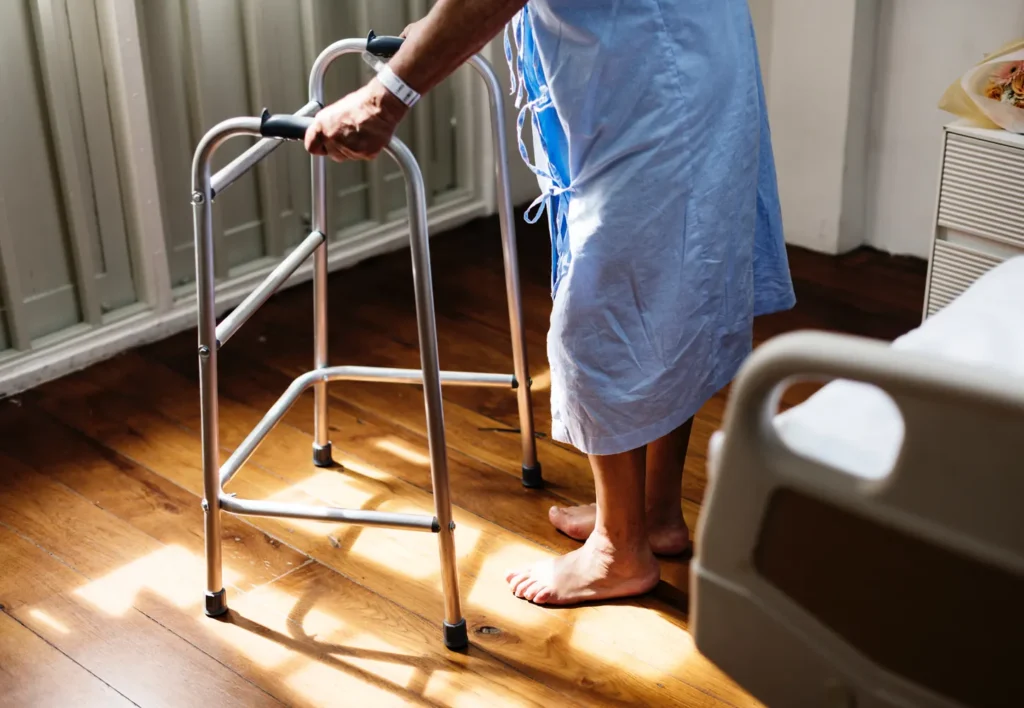
It wasn’t very long ago that joint replacement surgery meant a lengthy and expensive hospital stay, followed by a long rehabilitation that included a lot of strength-building because of the amount of time you spent in bed. Today, outpatient joint replacement surgery provides patients with a much faster road to recovery. It still takes a while, but typically you start walking at home within a day of the surgery, so you don’t have to contend with the loss of muscle strength that comes with a lengthy stay in bed. This preservation of the strength in the adjacent parts of your leg often helps speed up recovery, but there are other benefits to this procedure too.
Home recovery has been shown to be better for patient outcomes in a variety of ways, and outpatient surgery makes it easy to handle your full recovery from the comfort of your home. On top of the increased psychological benefits that come from getting to heal in your own space, there are also the very real material benefits like reduced noise, better control over your own routine, and fewer restrictions on your food choices and activities.
Recovering at home also lowers your risk of infection, which can be a concern for anyone in the hospital for a lengthy stay. As hard as hospitals work to maintain their cleanliness, they are still places where sick people go, so your chance of exposure is higher there than in a clean home that’s been prepared for your recovery.
If you’ve been waiting for joint replacement because you have been concerned about the lengthy inpatient stay or the recovery timeframe getting in the way of your work or home life, outpatient joint replacement surgery is an option that doesn’t have those associated issues. Not every patient is a candidate, so you need to have a surgeon who is familiar with the procedure to review your case. It is a procedure that’s becoming more common as it gets less invasive, anesthetics improve and rehabilitation protocols evolve.
This article is general information, not a diagnosis or treatment plan. Every injury is different; book a visit to talk about yours. If you have severe pain, a deformed joint, numbness or a wound, get urgent care or call 911.